
Division for International Research and Educational Cooperation
Graduate School of Science and Faculty of Science , Tohoku University




Home > Voices from Alumni > Over a Decade of Geophysical Discovery Shaped by Tohoku University (Dr.Parichat Wetchayont, Class of 2013)
Voices from Alumni
Over a Decade of Geophysical Discovery Shaped by Tohoku University (Dr.Parichat Wetchayont, Class of 2013)
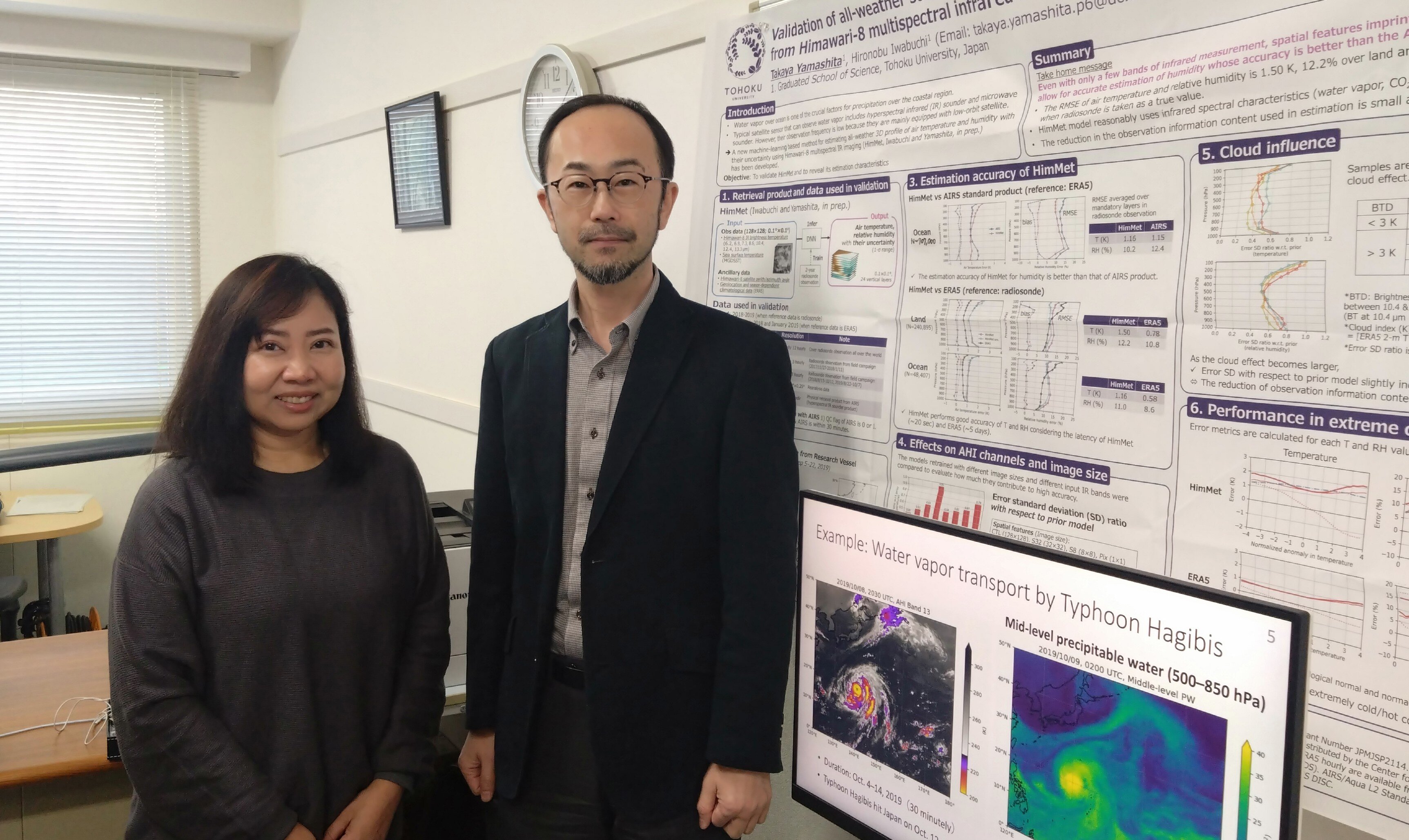
Dr.Parichat Wetchayont, an alumna from class of 2013 in Geophysics (the person on the left of the photo on the right) visited Tohoku University through an internal program "Invitational Fellowship Program for Collaborative Research" . Despite busy schedule, she kindly took her time to answer our questions.
________________________________________________________________________________
ーBrief history after graduation
Hello, I'm Parichat. I received a Ph.D. from the Radiation and Climate Physics Laboratory, Department of Geophysics, Graduate School of Science, Tohoku University. After completing my degree in 2013, I returned to Thailand and began my academic career as a lecturer at the 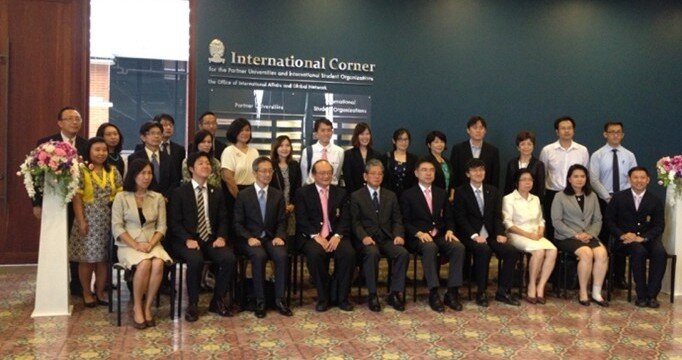 Environmental Engineering and Disaster Management Program, Mahidol University (2014-2017). After that, I moved to the Department of Geography at Srinakharinwirot University, where I worked until 2024. Since 2025, I have been with the Disaster Management Program at Navamindradhiraj University. This position allows me to bridge the knowledge I had gained in geophysical research with practical approaches to atmospheric and climate studies in Southeast Asia. I have also been active in outreach and education, serving on the examination board for the Thai Earth Science Olympiad (TESO), responsible for atmospheric questions.
Additionally, Tohoku University 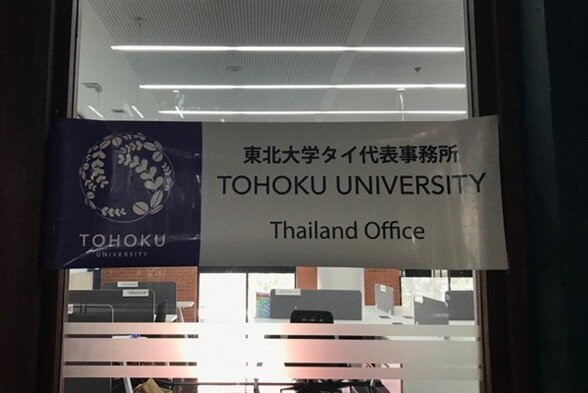 established a remote office in Thailand, and I was given the opportunity to be the coordinator of the office from 2016 to 2024. Recently, I was a Visiting Assistant Professor at Tohoku University (Nov 2025-Jan 2026), collaborating with Prof. Hironobu Iwabuchi. It was like a homecoming that brought both professional and personal fulfillment.
ーHow have you stayed in contact with faculty members in Department of Geophysics
Over the years, I have maintained close contact with faculty members from the Department of Geophysics through New Year greeting emails, academic collaborations, conferences, and research correspondence. I have often sought advice from my former supervisors, Prof. Hayasaka Tadahiro and colleagues, especially on applying radiative modeling and remote sensing techniques to understand climate change effects. Tohoku University's research environment encourages ongoing connection; despite time and distance, I've always felt part of the Geophysics community
ーHow do you relate your current/recent research with your studies at Tohoku University?
My current research is entitled "A Study of Atmospheric Moisture Transport Associated with Precipitation by Using All-weather Sounding from Himawari 8 Satellite". Many of the analytical tools and frameworks I use today, such as big data analysis and machine learning models, come directly from the practical training I received at Tohoku University. Beyond the technical aspects, my time at Tohoku also taught me to think deeply about the link between physical processes and their impact on precipitation. A heavy rainfall event, which shaped much of the research focus during my studies, left a lasting impression on me. It helped me appreciate the importance of translating scientific knowledge into policy and practice a principle that underpins all my current work.
ーWhat do you think was the key to your studies at Tohoku University?
The key to my success at Tohoku was the balance between scientific rigor and mentorship. Professors were not only experts in their fields, but also sincerely encouraged their students' development. The focus on independent research, accuracy in data analysis, and interdisciplinary cooperation was transformative. The department's open academic environment encouraged me to challenge ideas and cultivate curiosity, which still serves as a guiding principle for me today.
ーWhat do you think was the key to your acceptance into the "Invitational Fellowship Program for Collaborative Research with International Researchers"?
I believe my acceptance into the Invitational Fellowship Program for Collaborative Research with International Researchers is stems from two main factors: consistency and collaboration. Over the years, I maintained active research publications linking climate change and the environment, while also continuing to engage with Tohoku's research network. The fellowship values researchers who not only have specialized expertise, but also have a clear vision for long-term cooperation, which aligns perfectly with my ongoing work on climate change resilience.
ーHow can we make IGPAS more appealing to Thai students to increase enrollment?
To attract more Thai students to the International Graduate Program for Advanced Science (IGPAS), outreach is crucial. Many talented students in Thailand are interested in environmental and earth sciences but are not fully aware of the opportunities Japan offers. 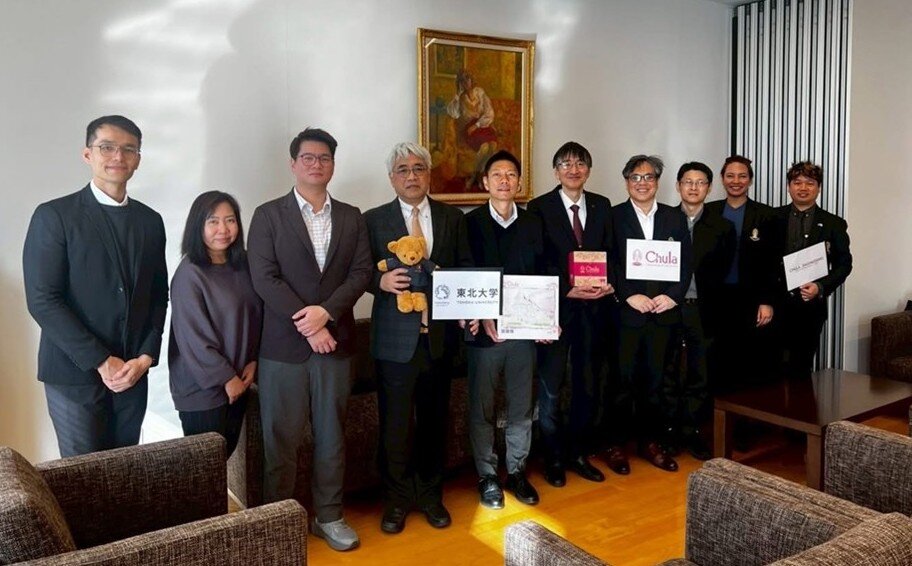 Strengthening collaborations between Thai universities and Tohoku through joint seminars, double degrees, alumni talks, or alumni short research internships could bridge that gap. I believe Tohoku University is leading this initiative, because I was invited to participate in a meeting between the EVP of Tohoku University and representatives from Thai universities like Kasetsart University and Chulalongkorn University during my short visit. Moreover, highlighting Tohoku University's global leadership in science and engineering, as well as its supportive international environment, would appeal strongly to Thai students seeking advanced study abroad.
ーLooking back, what was the most challenging thing for you when you first came to Sendai?
My biggest challenge upon arriving in Sendai was communication. Although I had studied some basic Japanese, daily life from shopping to handling administrative tasks was not easy at first. However, the faculty's international support staff were always ready to help, and over time I learned to appreciate both the language and culture. It taught me patience and adaptability, which became valuable lessons beyond academics.
ーAside from studying, is there anything about Sendai that you remember fondly?
Aside from research, I have wonderful memories of life in Sendai. The city's slow pace, friendly people, and natural surroundings made it an ideal environment for study. I especially miss the seasonal beauty, the cherry blossoms in spring, the vibrant autumn leaves at Aoba Castle, and even the quiet snowfall that made the campus so peaceful. The sense of community among international students, the long discussions at the lab late at night, and the hospitality of local residents all remain vivid in my heart. Looking back, my years at Tohoku were not just about learning science, they were about discovering resilience, both in nature and in myself. Returning now as a Visiting Assistant Professor feels like closing a meaningful circle. I hope that my journey encourages more Thai students to follow this path across disciplines, across borders, and come to study at Tohoku University.
ーMessage for Thai Students
To Thai students considering Tohoku University: don't hesitate. You will find not only excellent research facilities and world-class faculties, but also a community that values curiosity, perseverance, and friendship. Studying in Japan is demanding but immensely rewarding. You will return home not just with a degree, but with a new way of thinking and a global perspective that will shape your career and life.
Afterword From Dr.Parichat Wetchayont
When I first arrived in Sendai to begin my studies in the Department of Geophysics at Tohoku University, I could never have imagined the journey that lay ahead. More than a decade later, it feels deeply rewarding to look back on how those years shaped both my academic path and my perspective on atmospheric science and climate change resilience. ーParichat Wetchayont
(Posted 2026/3/24)